


Lecturing
Lectures that leave a mark: history → context → concrete to implement. Instead of a monologue, live interaction, market examples, and language that resonates with people.















More…
I was – I am – a student, because I’m always learning. I occasionally serve as a lecturer and workshop organiser, but I value my time too much to waste yours, which is why I design classes to hold both my own attention and the group’s.
My lectures are built on real-life examples, stories that show concrete applications, appropriate to our context – student, practitioner, growing company with ambitions, or international giant with a multicultural team.
I talk about what is important, sometimes difficult, but in a way that what matters stays with you.
Who benefits most
- Universities, MBA programmes, research societies, foundations, anywhere that understanding and inspiration matter, not just talking for the sake of it.
- Teams wanting current knowledge delivered by a practitioner, not just a theorist, though the theoretical foundation is strong.
- Event organisers who could use a programme keystone presentation, one that holds attention, stirs, and even inspires action, not just ‘for later’ notes.
My setup
Guest lectures (45-90 minutes).
- Semester-long classes with a complete programme and syllabus.
- Closed workshops, for example for MBA students or research societies.
- Online or in-person meetings: Krakow, Warsaw, or other locations to be agreed.
Minimum slides, maximum conversation. Each presentation is tailored to the audience, with a brief introduction beforehand and space for questions during.
Topics
- Strategy and brand positioning in the era of chaos.
- B2B that works, not just on paper.
- Managing creativity in a team.
- 360 campaigns versus real budgets.
- Automation, ad-tech, and AI in marketing.
- ‘Storydoing’ – how to stop talking and start doing.
Results
- Knowledge that passes the exam, both on paper and in work and life.
- New perspectives appear and the courage to do things differently.
- Engagement instead of boredom: after the event, you want to test ideas in practice.
- Practical tips, because we talk about what works, what to let go of, and how to start today, not in the land of eternal tomorrow.
- A sense of time well spent, valuable content, and investment in yourself.
Universities where you can meet me



For a good start – sample syllabus
I’ve prepared a PDF with a comprehensive syllabus, which includes detailed information about class content, objectives, and learning outcomes. Download it and see how we can work together to support your organisation.
FAQ
Below, you’ll find answers to the most frequently asked questions by organisers and heads of academic programmes. Have a look, this is what our collaboration might look like.
1. Are these typical presentation-based lectures?
No. These are interactive meetings full of stories, examples, and discussion.
2. Can I order a lecture on a specific topic?
Yes. I prepare every lecture individually for the needs and profile of the audience.
3. Who are these lectures for?
For universities, foundations, institutions, and organisations that want concrete, on-topic knowledge delivered in a style that suits the tone of the occasion and the organiser’s position.
4. Are online lectures possible?
Yes. Both online and in-person lectures are possible. It all depends on your needs.
5. How long does it take to prepare a lecture?
Preparation depends on the topic and scope. As a standard, I reserve at least 1-3 weeks to adapt content to the audience, prepare materials, and include industry-specific examples.
6. What is the price of a lecture or workshop?
The cost depends on the length of the event, number of participants, and format: lecture, panel, or interactive workshop. After an initial conversation, I prepare a quote tailored to the organiser’s needs.
7. Can I receive references from institutions that have already used the lectures?
Yes. On request, I share recommendations from universities, organisations, and companies I have worked with.
8. What does event logistics look like?
The organiser provides the venue, technical equipment, and support. I provide the content, multimedia presentation, and additional participant materials if they are part of the programme.
9. What are the technical requirements?
Most often, a projector, screen, and microphone are enough for larger rooms. For online lectures, a stable internet connection and a video conferencing platform are required.
10. Can the lecture level be adapted to the group?
Of course. I prepare each lecture based on the audience profile: from students, through management teams, to specialists in a given field.
11. How many participants can take part?
There are no strict limits. I have delivered lectures for groups of a dozen people and for audiences of several hundred.
12. Can the lecture be recorded or streamed online?
Yes, provided this is agreed in advance. The recording may be made available to participants or used as part of the organiser’s educational programme.
13. What languages do I lecture in?
I lecture in Polish and English. On request, I can prepare materials in both language versions.
14. Do participants receive materials after the lecture?
Yes. Depending on the format, I can provide additional bibliography, case studies, or short exercises for individual work.
15. How are travel and accommodation costs settled?
For events outside Krakow, travel and accommodation costs are covered by the organiser and agreed individually.
16. What if the organiser needs to change the date or cancel the event?
If the date changes, we try to find a new date convenient for both sides. If the event is cancelled, the cancellation policy agreed in the contract applies.
Certificates & diplomas
These are my qualifications, the path I’ve walked. Also, proof that I see projects through to completion, and an example of the challenges I choose to take on.
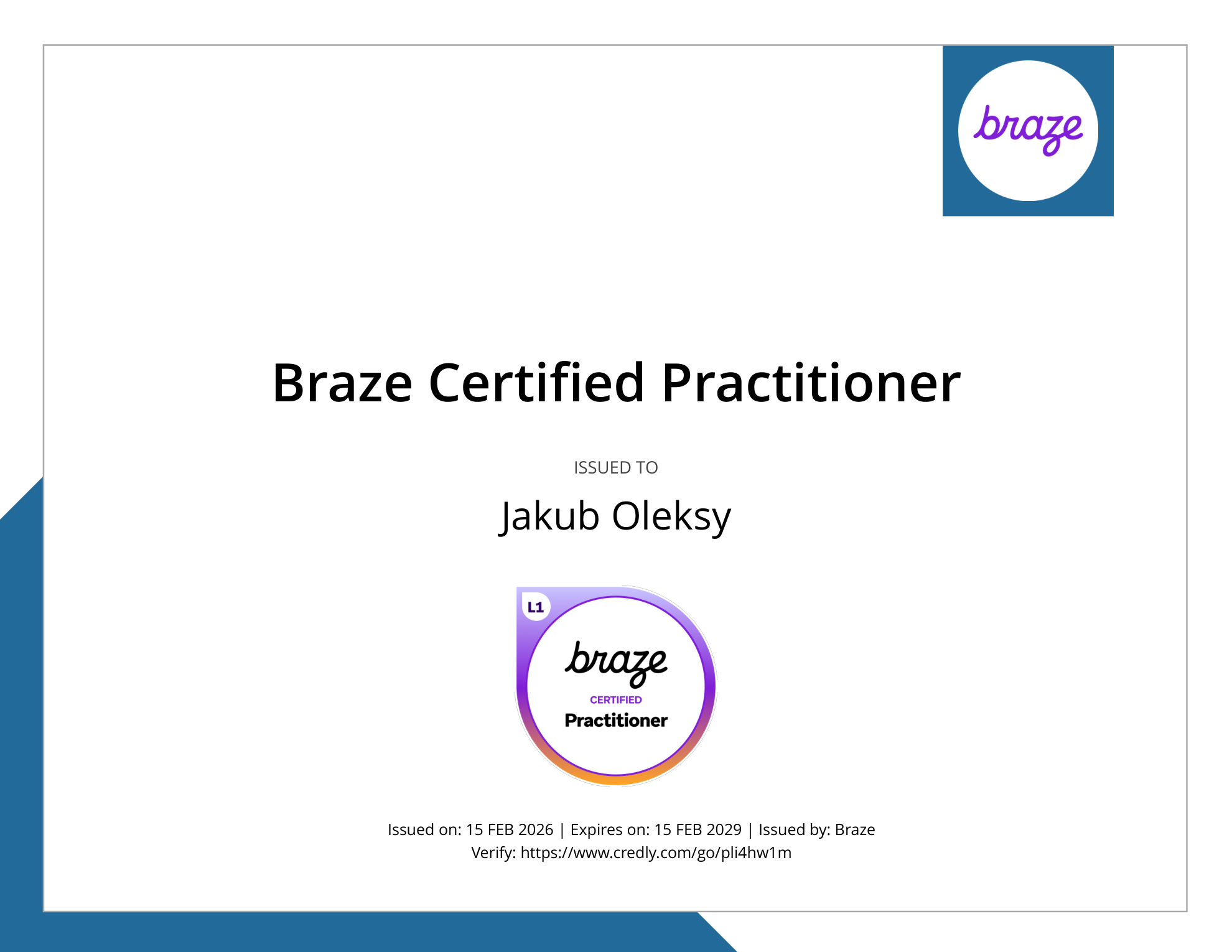
Braze Certified Practitioner
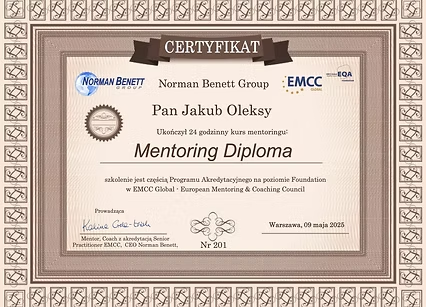
Norman Benett Group & EMCC Global, Mentoring Diploma
I have completed the prestigious EMCC Global Mentoring Foundation course, organised by the European Mentoring & Coaching Council, one of the leading organisations setting standards in mentoring and coaching worldwide. I am currently in the EMCC Practitioner Mentoring certification process, deepening my practice based on proven methods and high ethical standards.
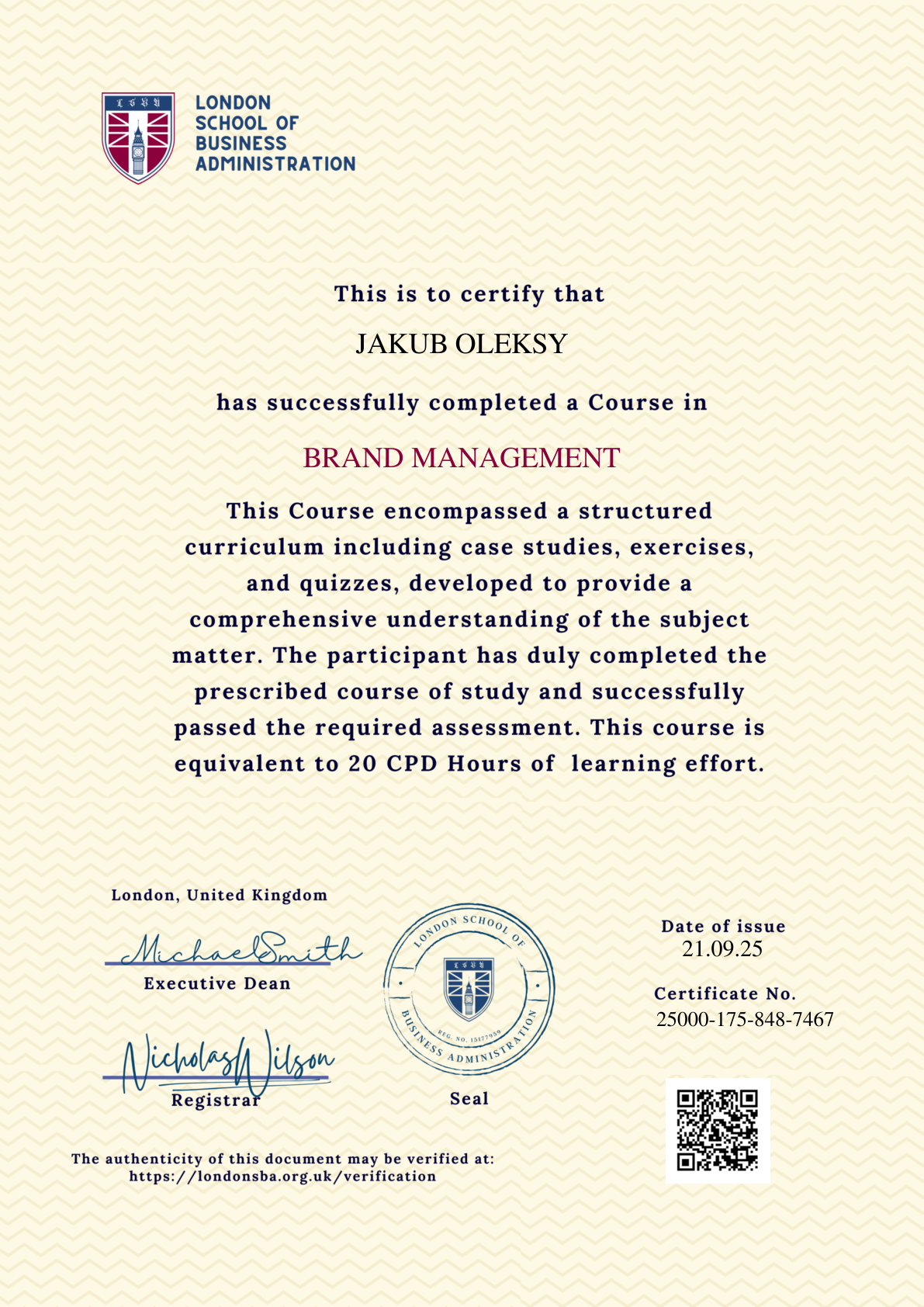
London School of Business Administration, Brand Management Course Certificate
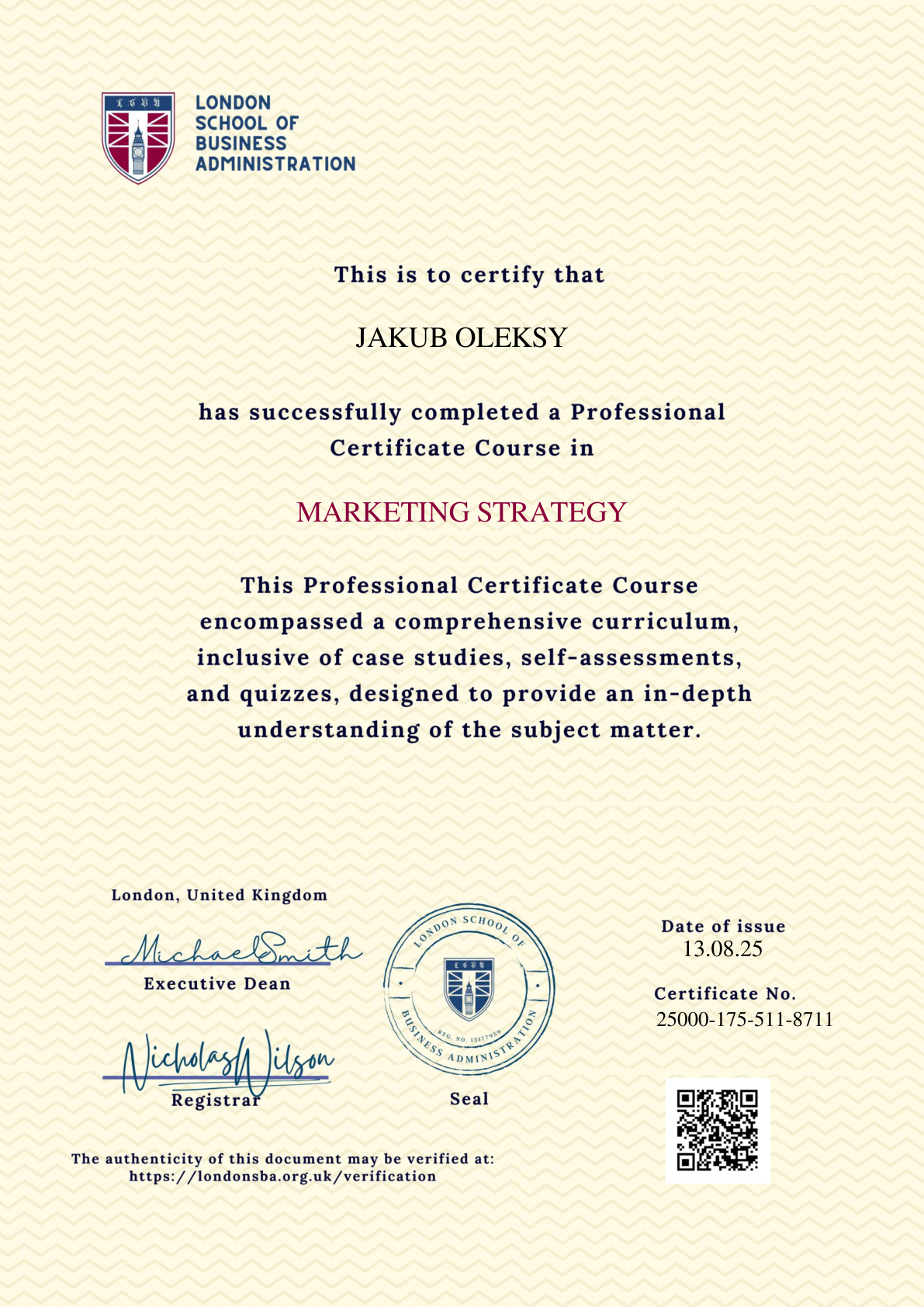
London School of Business Administration, Marketing Strategy Professional Certificate
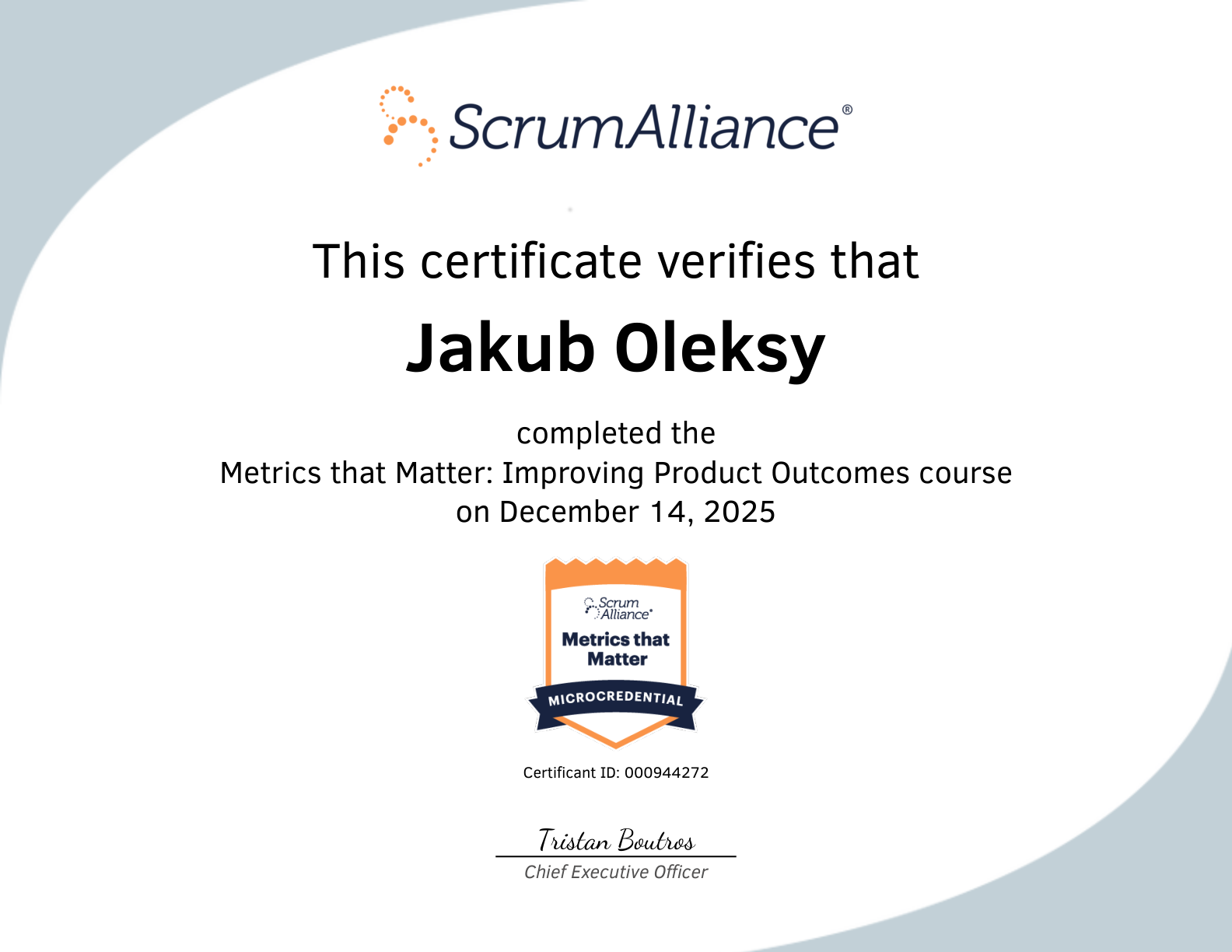
Scrum Alliance, Metrics that Matter: Improving Product Outcomes
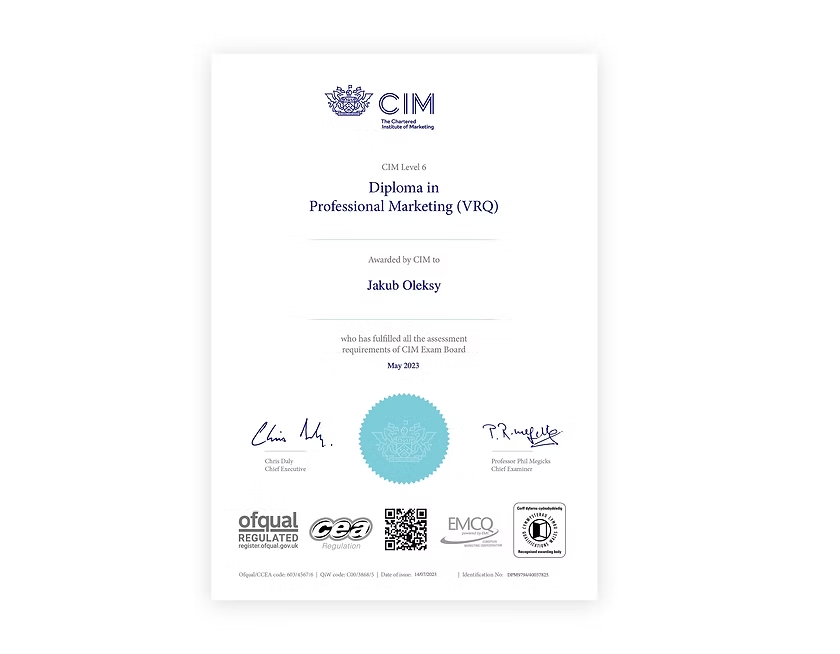
The Chartered Institute of Marketing (CIM),
Diploma in Professional Marketing (VQR)
The Chartered Institute of Marketing (CIM),
Diploma in Sustainable Marketing (VQR)
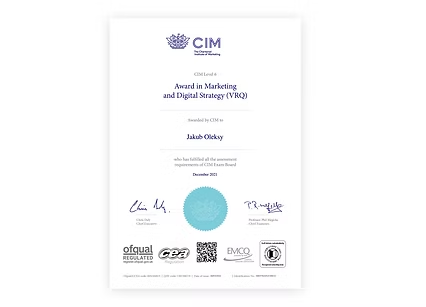
The Chartered Institute of Marketing (CIM),
Award in Marketing and Digital Strategy (VQR)
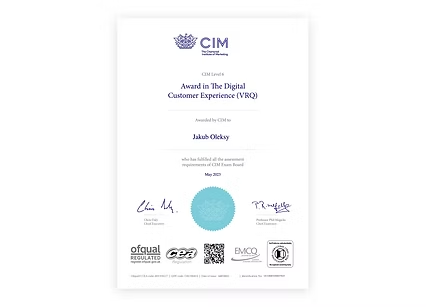
The Chartered Institute of Marketing (CIM),
Award in The digital Customer Experience (VQR)
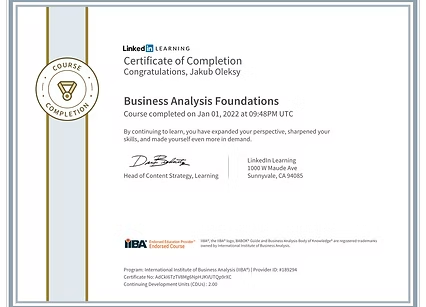
LinkedIn Learning, Business Analysis Foundations
Certificate of Completion
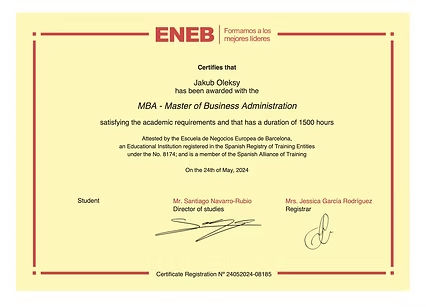
ENEB, MBA – Master of Business Administration
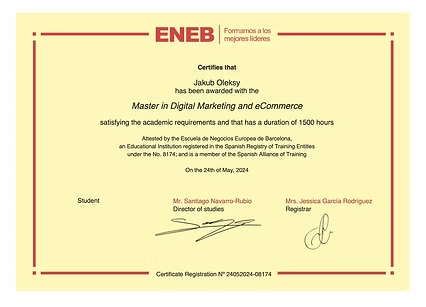
ENEB, Master in Digital Marketing and eCommerece
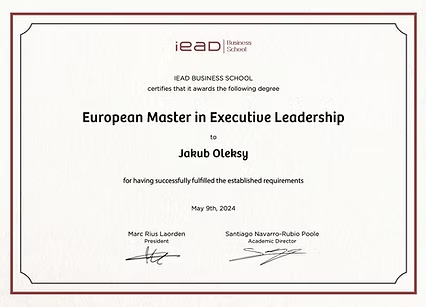
iEAD Business School, European Master in Executive Leadership
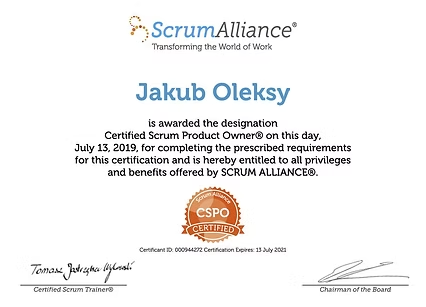
ScrumAlliance, Certified Scrum Product Owner
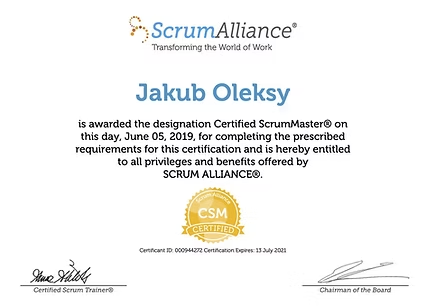
Scrum Alliance, Certified ScrumMaster
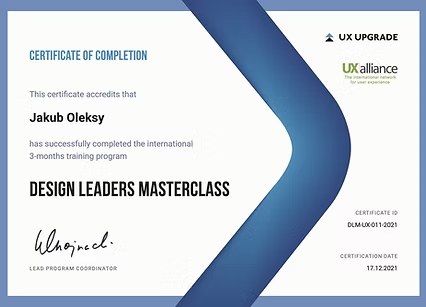
UX Alliance, Design Leaders Masterclass
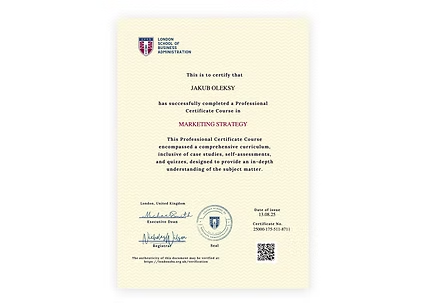
London School of Business Administration, Professional Certificate Course in Marketing Strategy
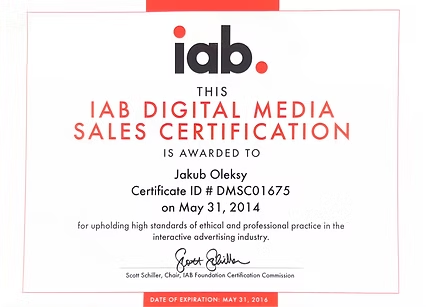
IAB, IAB Digital Media Sales Certification
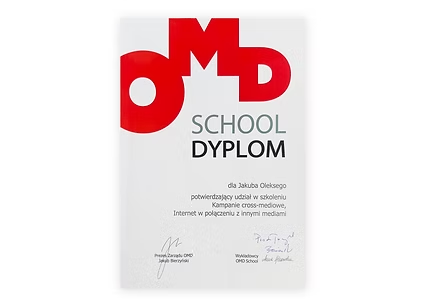
OMD School Diploma, Cross-media Campaigns, Internet Combined with Other Media
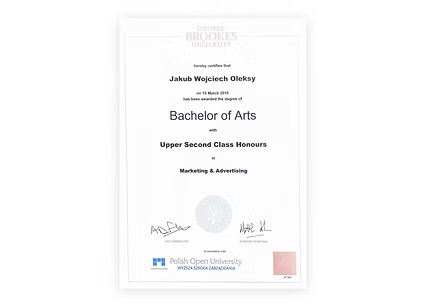
Oxford Brookes University, Bachelor of Arts with Upper Second Class Honours in Marketing & Advertising
Pendo x Mind the Product, Pendo Management Basics
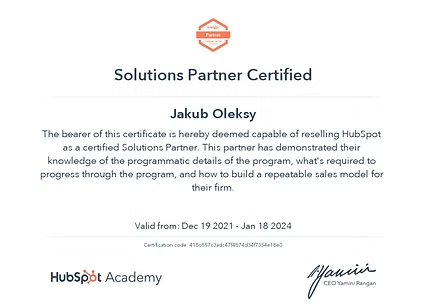
HubSpot Academy, Solution Partner Certified
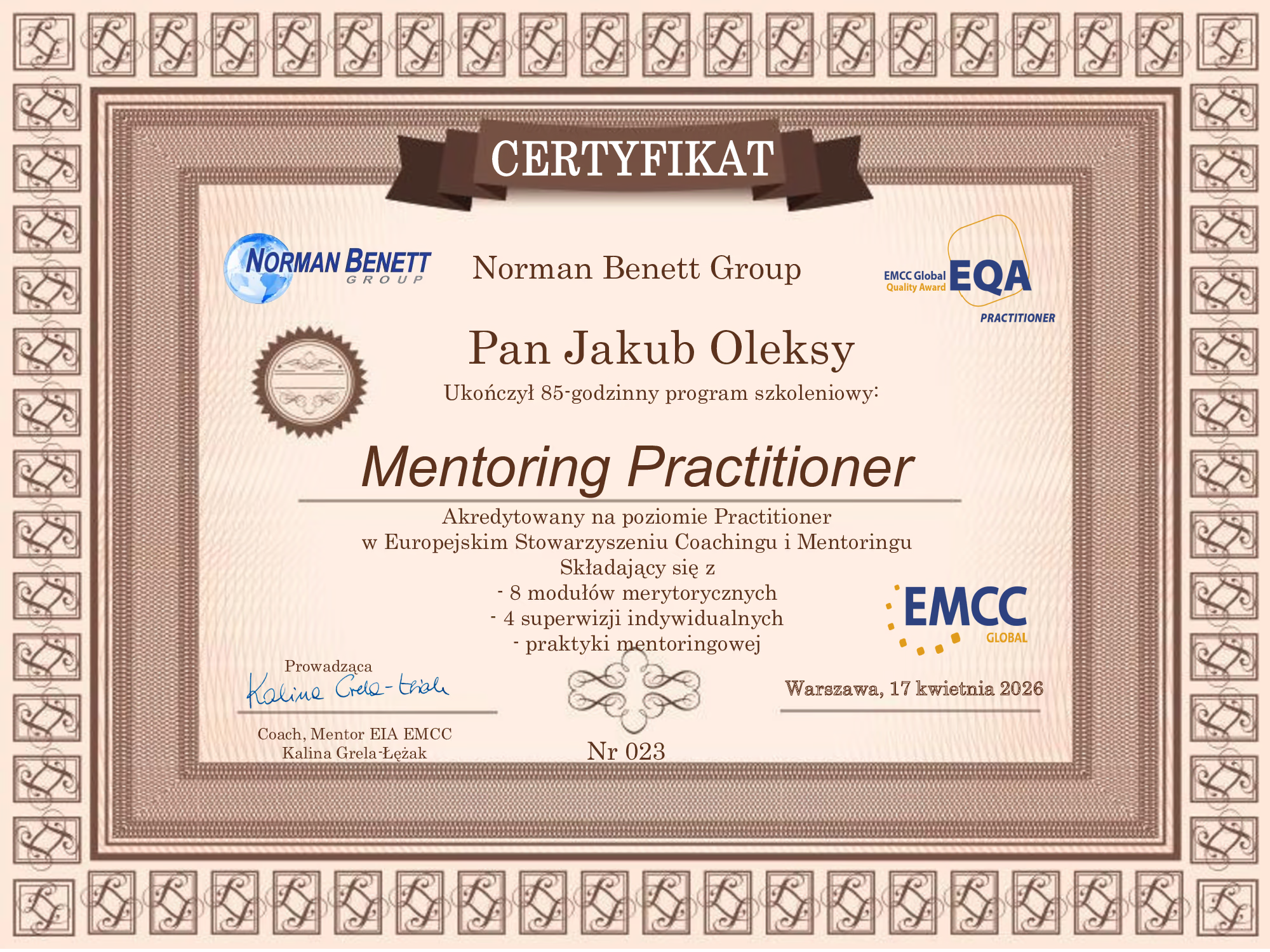
Norman Benett Group, Mentoring Practitioner
Need more information?
Choose a meeting time, learn the details of the lectures and workshops. Let’s talk about format, topics, and the style that suits you best. Together, we’ll establish an action plan so that everything fully meets your institution’s specific needs.